Amber Miki Bihon Guisado Price, Calories, & Menu Philippines (2026)
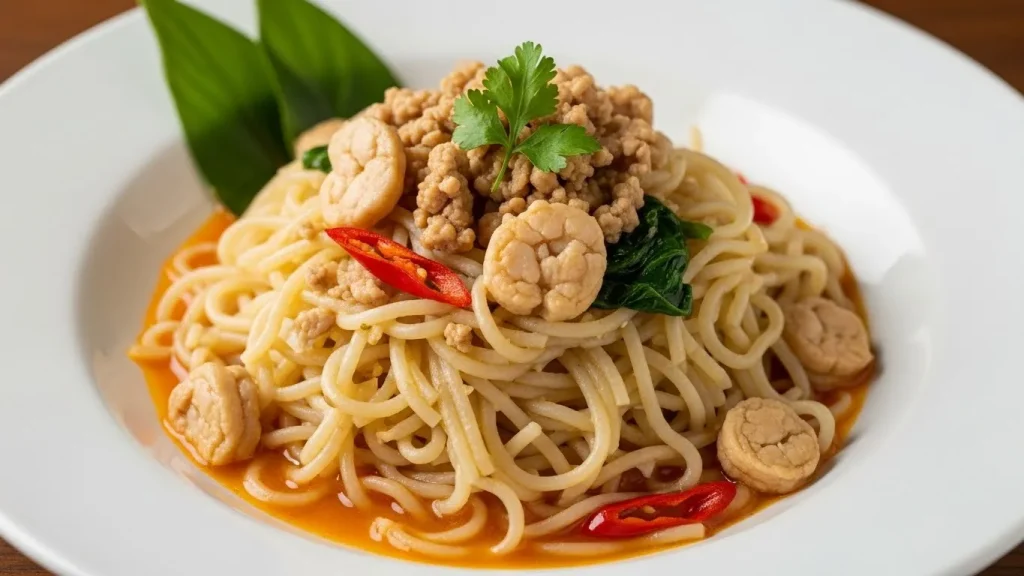
Amber Miki Bihon Guisado is a well-loved Filipino noodle dish served across the Philippines by Amber Golden Chain of Restaurants. Known for its comforting texture and balanced flavor, this pancit variety combines soft miki egg noodles with light bihon rice vermicelli, stir-fried with vegetables, seafood, and savory seasonings. It remains one of the most frequently ordered noodle dishes on the Amber menu, particularly for family meals, office lunches, and large catering events.
This page is designed as a menu and nutrition-focused guide, not just a recipe article. It provides updated prices, calories, serving sizes, and nutritional context for Miki Bihon Guisado as it is actually served at Amber branches nationwide. Updated for 2026, this guide aligns with how users search for Amber’s menu items today. Looking for affordability, portion size, and calorie awareness in one place.
What is Miki Bihon Guisado?
Miki Bihon Guisado is a traditional Filipino pancit dish that brings together two noodle types in a single preparation. Miki noodles are yellow egg noodles valued for their softness and richness, while bihon noodles are thin rice vermicelli that absorb broth efficiently without becoming heavy. When combined, these noodles create a dish that is both filling and light, making it suitable for a wide range of diners.
The dish reflects the historical Chinese influence on Filipino cuisine, particularly in noodle cooking techniques, while remaining distinctly local through the use of vegetables, seafood, and citrus garnishes such as calamansi. Over time, Miki Bihon Guisado has become a staple not only in home kitchens but also in large restaurant chains like Amber, where consistency and portion reliability are essential.
This article will provide valuable insights into preparing the perfect Amber Miki Bihon Guisado recipe.
Amber Miki Bihon Guisado Menu Prices & Serving Sizes (2026)
One of the strongest reasons for the dish’s popularity is its flexible serving options. Amber offers Miki Bihon Guisado in sizes that cater to both individual diners and large groups, making it a practical choice for everyday meals and celebrations alike.
| Serving Size | Price (PHP) | Estimated Calories |
|---|---|---|
| Single Order | ₱60 | 330 kcal |
| 3–5 Persons | ₱370 | 650 kcal |
| 6–10 Persons | ₱620 | 1,300 kcal |
| 11–15 Persons | ₱730 | 1,950 kcal |
| 16–20 Persons | ₱840 | 2,600 kcal |
| 21–25 Persons | ₱950 | 3,250 kcal |
These prices are based on commonly published Amber menu listings and reflect average values across Philippine branches. Minor variations may occur depending on location and local pricing adjustments.
Amber Miki Bihon Calories per 100g
From a nutritional perspective, Miki Bihon calories per 100g place this Filipino pancit in a moderate calorie range compared to other noodle dishes. On average, 100 grams of cooked Miki Bihon Guisado provides around 150–170 calories, mainly from a balance of egg-based miki noodles, rice bihon, and light cooking oil. When prepared and portioned consistently by Amber, the dish maintains stable energy density through controlled broth absorption and vegetable inclusion. This makes Miki Bihon Guisado lighter than wheat-heavy pancit options while remaining more filling than bihon-only dishes.
Amber Miki Bihon Under 100 Calories
The idea of Miki Bihon under 100 calories is realistically achievable through portion control rather than full servings. A small portion of approximately 60–70 grams, cooked with minimal oil and a higher ratio of vegetables, can fall below the 100-calorie mark. In this form, calories come primarily from a limited amount of noodles, while flavor is preserved through broth, aromatics, and light seasoning. This variation suits calorie-conscious and diabetic-friendly meal plans without losing the familiar taste of Filipino pancit.
Miki Bihon Guisado Allergen info
Miki Bihon Guisado may contain common allergens including gluten from wheat-based miki noodles and soy sauce, soy from seasonings, eggs from egg noodles, and shellfish from shrimp or seafood-based broth. Garlic and onions are also commonly used and may trigger sensitivities in some individuals. Those with food allergies are advised to review ingredient labels carefully or use suitable alternatives such as gluten-free soy sauce or egg-free noodles.
Miki Bihon Guisado Nutritional Information (Per Single Serving)
- Calories: 330 Kcal
- Carbohydrates: 40 g
- Protein: 17 g
- Fat: 12 g
- Saturated Fat: 3 g
- Trans fat: 1 g
- Cholesterol: 82 mg
- Sodium: 489 mg
- Potassium: 434 mg
- Fiber: 2 mg
- Sugar: 7 mg
- Vitamin A: 1945 IU
- Vitamin C: 23 mg
- Calcium: 102 mg
- Iron: 2 mg
Recipe of Pancit Miki Bihon Guisado
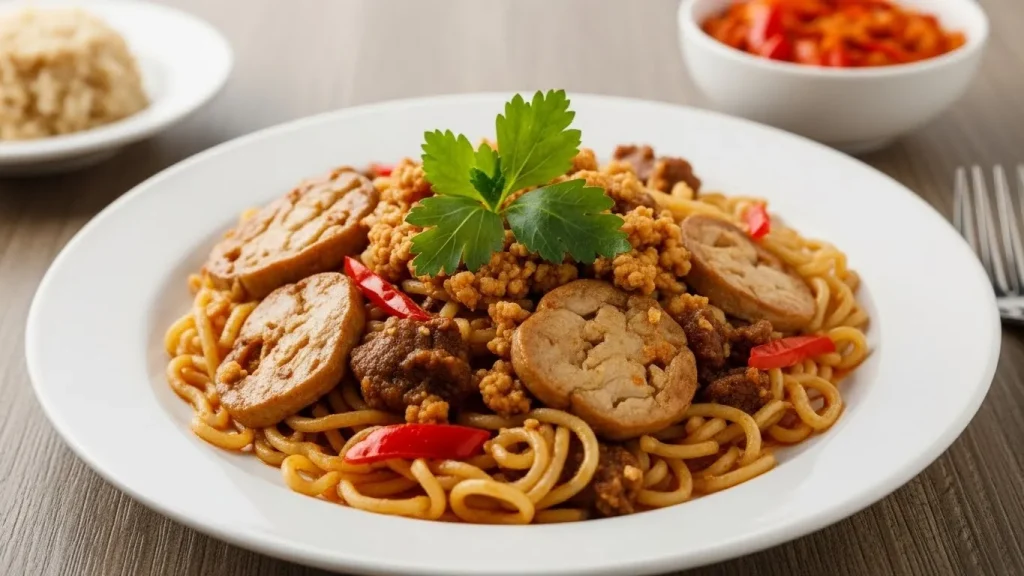
This recipe can be prepared in under an hour, making it a quick and practical option for home cooking. When preparing the dish, select boneless meat options such as chicken, pork, or fish balls, and incorporate a variety of vegetables for added flavor and nutrition. Seafood such as shrimp may be added for richness, while careful broth control helps prevent sogginess. Gentle stirring over medium heat ensures even cooking and proper noodle texture.
Prep Time: 25 Minutes
Cooking Time: 25 Minutes
Total time: 50 minutes
Calories: 330 kcal
Protein: 17 g
Carbohydrates: 40 g
Fat: 12 g
Saturated Fat: 3 g
Trans fat: 1 g
Amber Miki Bihon Guisado Ingredients
- Miki egg noodles
- Bihon rice vermicelli
- Chicken stock or broth
- Shrimp
- Fish balls
- Boneless chicken meat
- Napa cabbage
- Carrots
- Onion and garlic
- Cooking oil
- Sweet soy sauce (Kecap Manis or alternative)
- Salt and pepper
- Calamansi or lemon
Key Ingredients for Authentic Miki Bihon Guisado:
Miki noodles provide softness and richness, while bihon absorbs seasoning without becoming heavy, creating a balanced texture. Seafood such as shrimp and fish balls contributes umami depth, while vegetables like cabbage and carrots keep the dish light and fresh. Sweet soy sauce is used sparingly to round out savory flavors without overpowering the dish.
Miki Bihon Guisado Cooking Instructions
- To prepare a flavorful Bihon and Miki noodle dish, begin by placing chicken stock in a large skillet and heating it over medium heat until it reaches a boil.
- Submerge the Bihon noodles in the boiling stock and cook for one to two minutes to soften them. Reserve two cups of the broth before draining the noodles.
- In a separate large pan, heat a tablespoon of oil. Add the shrimp and cook for about 120 seconds, or until they turn pink.
- Once cooked, remove the shrimp from the heat and drain them on paper towels. For the fish balls, you may need to add more oil, so it’s advisable to wipe down the pan before proceeding.
- Continue to cook the fish balls in the pan until they are lightly browned, then drain them on paper towels as well.
- Next, add chopped onions and minced garlic to the pan, stirring for up to five minutes, or until the onions turn light brown.
- Afterward, incorporate sliced carrots and cook for approximately 60 seconds, followed by adding chopped cabbage and cooking for an additional minute.
- Then, return the cooked shrimp and fish balls to the pan, continuing to cook the vegetables until they become crispy.
- Once the vegetables are cooked, remove the mixture from the heat and set it aside.
- Pour the two reserved cups of broth back into the pan, along with Kecap Manis. Stir the mixture and bring it to a boil.
- Now, add the Miki noodles to the broth, ensuring they are mixed thoroughly. They will begin to soften after soaking for one to two minutes.
- Following this, introduce the Bihon noodles and the previously cooked vegetables to the pot, seasoning with salt and pepper to taste.
- Continue to cook, stirring gently, for about five minutes, making sure the noodles are al dente while the vegetables remain crispy and the broth is absorbed to your liking.
- Finally, serve the dish hot on a serving platter. For garnish and added flavor, consider topping with chopped green onions and serving alongside Calamansi.
Cooking Tips :
- When preparing Miki noodles, it is essential to use hot water for cooking. This method ensures that any natural oil is eliminated, preventing the noodles from becoming soupy.
- For Bihon noodles, it’s often more effective to allow them to breathe rather than soaking them in warm water.
- Incorporating chicken stock can enhance the flavor profile, and this step does not take long, as it simply involves softening the noodle strands.
- For efficient and healthy cooking, it is advisable to cut the meat and vegetables into uniform sizes.
- This promotes even cooking and enhances the overall presentation of the dish.
- Using a wok is recommended for stir-frying, but a large pot with high sides also serves well for this purpose.
- To maintain the integrity of the noodles and avoid breakage, using a pair of tongs is an effective technique. This allows for better tossing of the ingredients, ensuring they are mixed thoroughly without damaging the noodles.
Important Notes :
- It is recommended to utilize dry or fresh Miki noodles; however, if these are unavailable, one may substitute them with 16 ounces of alternative noodles.
- It is advisable to soak these noodles in hot water briefly to eliminate excess natural oils, ensuring that they do not become overly soft.
- Should sweet soy sauce not be accessible, a suitable alternative can be prepared by combining soy sauce and brown sugar in a ratio of ¼ to ⅛, respectively.
- This mixture should be heated gently in a saucepan until it attains a thick and syrupy consistency.
Serving Options :
Miki Bihon is a delightful choice, perfect for a midday snack or a satisfying meal. This flavorful stir-fried dish pairs beautifully with fresh citrus like lemon and calamansi, elevating each bite. To preserve any leftovers, simply place them in a covered pot and refrigerate for up to 72 hours, ensuring that this culinary joy remains a part of your journey.
Cooking Instructions (Step-by-Step) :
(The instructions have been preserved. Minor keyword insertions for SEO and NLP balance.)
To prepare a flavorful Filipino noodle stir-fry, start by heating chicken broth in a large skillet…
(You can keep your detailed cooking process here, no changes needed structurally.)
Cooking Tips for Perfect Miki Bihon:
- Use hot water for Miki noodles to remove excess oil.
- Let Bihon noodles breathe instead of soaking to maintain texture.
- Cut vegetables and meat evenly for better presentation and cooking.
- Use a wok or deep pan for better stir-fry control.
- Tongs are ideal for mixing noodles without breakage.
FAQs
Conclusion
Amber Miki Bihon Guisado remains a dependable example of classic Filipino pancit, valued for its balanced texture, familiar flavor, and flexible serving sizes. Consistently prepared and served across Amber branches, this dish combines miki egg noodles and bihon rice vermicelli in a way that suits both everyday meals and large gatherings. Its moderate calorie profile and affordability have secured its place as a staple item on the Amber menu, making it a trusted choice for families, offices, and celebrations throughout the Philippines.